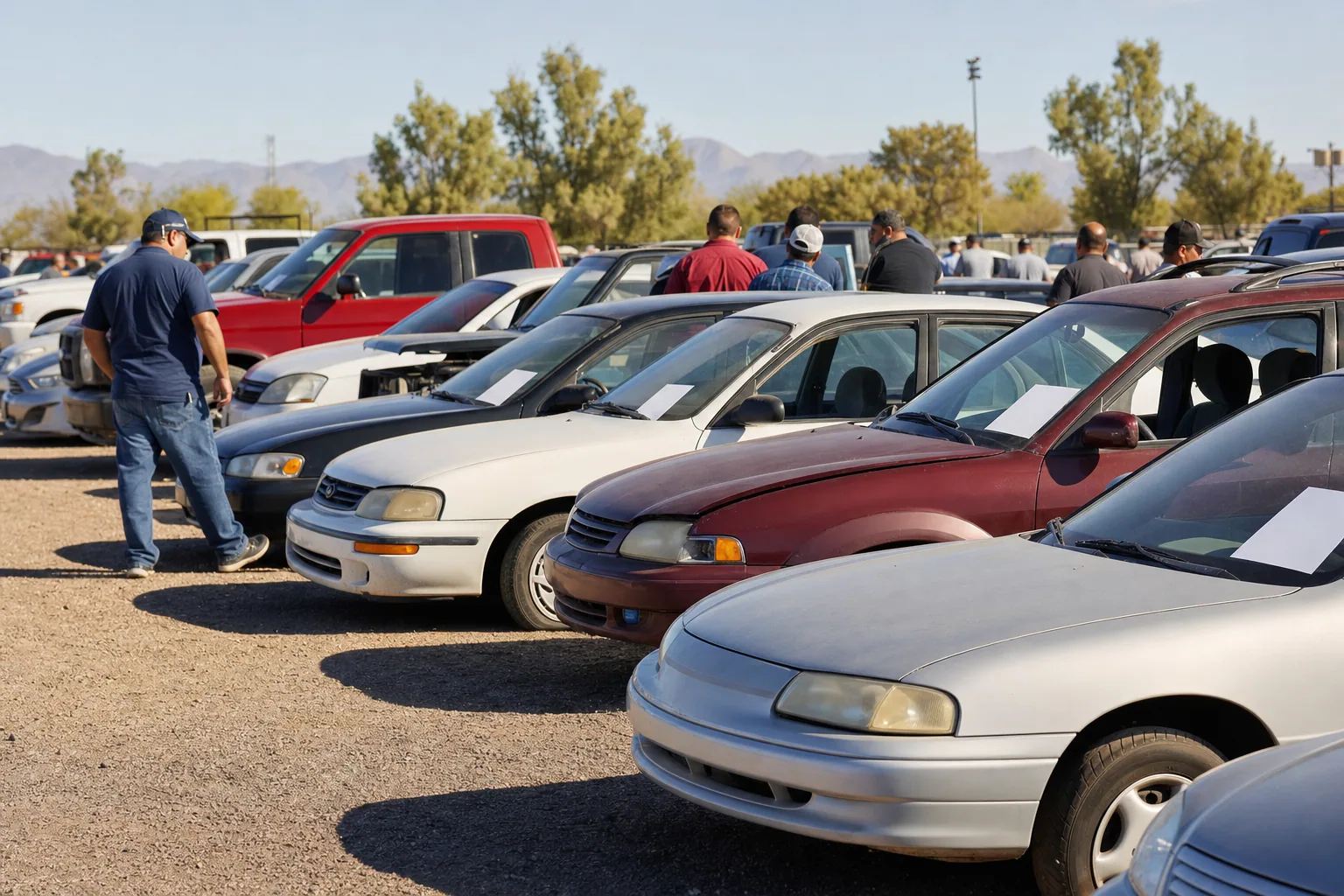
Buying a car at a police auction is one of the most reliable ways to pay well below market price for a vehicle. Law enforcement agencies across the U.S. and Canada regularly sell off seized, forfeited, and surplus vehicles, and those cars, trucks, and motorcycles often go to the highest bidder for a fraction of what they would cost at a dealership. The catch is that most people have no idea when or where these auctions are happening. That is exactly the problem worth solving before you do anything else.
What Is a Police Auction?
When law enforcement agencies seize vehicles connected to criminal activity, or when government fleets retire older cars, those assets cannot sit in storage forever. Agencies at the federal, state, and local level hold periodic auctions to sell them off. The inventory can include everyday sedans, pickup trucks, SUVs, motorcycles, and sometimes even boats or specialty vehicles.
Because the goal is simply to liquidate the property for whatever the market will bear, starting bids are often low. That creates an opening for regular buyers who know how to find and participate in these events.
Why Police Auction Vehicles Can Be Such Good Deals
Governments and police departments are not in the business of maximizing resale value. They want the asset off their books. That motivation works in your favor as a buyer. Here are a few reasons vehicles at these auctions tend to sell at competitive prices:
- No dealer markup. There is no middleman adding a profit margin to the price.
- Volume sales. Agencies often auction multiple vehicles in a single event, which keeps individual prices from getting bid up too high.
- Motivated sellers. Federal, state, and local governments are generally willing to sell for whatever they can get.
- Wide variety. On any given auction day, the lot might include compact cars, work trucks, vans, or performance vehicles.
That said, the savings are only real if you go in prepared. Bidding without doing your homework can lead to overpaying or buying a vehicle with problems you did not anticipate.
How to Prepare Before You Bid
Preparation is what separates a smart auction purchase from a regrettable one. Treat this like any other major purchase and do your due diligence.
Research the Vehicle
Most auctions provide a list of available vehicles in advance. Once you identify cars you are interested in, look up the vehicle identification number (VIN) to pull a history report. This tells you about past accidents, ownership history, odometer readings, and title status. A clean history is a good sign; a complicated one deserves extra scrutiny.
Inspect in Person When Possible
Many government auctions offer a preview period before the bidding starts. Take advantage of it. Walk around the vehicle, check the body for damage, look under the hood, and sit inside. You generally cannot test drive auction vehicles, so a thorough visual inspection matters.
If you are not confident in your own mechanical knowledge, consider bringing someone who is, or at least running through a basic checklist: fluid levels, tire condition, brake wear, rust or corrosion, and the condition of interior components.
Set a Maximum Bid and Stick to It
Auction environments can create competitive pressure that makes it easy to bid more than you planned. Before the event, decide on the most you are willing to pay for each vehicle you want. Factor in the cost of any repairs the vehicle might need, registration fees, and any applicable taxes or auction fees. Once you hit your ceiling, walk away.
Understanding the Different Types of Government Vehicle Auctions
Not all government auctions work the same way, and knowing the differences helps you decide which ones to target.
Live in-person auctions are held at a physical location, often a government lot or auction house. A licensed auctioneer runs the bidding in real time. These can move fast, so it helps to arrive early and get oriented.
Online government auctions allow you to bid from anywhere. They are run by various federal, state, and local agencies and may close at a set date and time. The process is more relaxed, but you miss the ability to inspect the vehicle in person unless a preview is offered locally.
Sealed-bid auctions require you to submit a written offer without knowing what others are bidding. The highest qualifying bid wins. Strategy matters more here since you only get one shot.
Knowing which format you are dealing with before auction day helps you plan your approach.
The Biggest Challenge: Finding the Auctions
This is where most people get stuck. Government and police auctions are not heavily advertised. Agencies post notices through their own channels, local publications, or agency websites, and those listings are scattered across hundreds of different sources at the federal, state, and local level.
Tracking them down on your own takes real time and effort. You might find one auction in your county, miss three others in neighboring areas, and have no idea what is coming up next month.
That is where a service like GovernmentAuctions.org can make a difference. GovernmentAuctions.org maintains a comprehensive database of upcoming and current government and police auctions across the U.S. and Canada, organized so members can find what is happening in their state or territory without having to dig through dozens of separate agency websites. The database covers federal, state, and local auctions of seized, surplus, and abandoned property, including vehicles, and it is built from extensive research into government agency auction listings. Members also get access to a foreclosure database, which is useful if real estate is on your radar alongside vehicles.
As the site puts it, knowing where and when these auctions are happening is crucial to getting bargains. That access to information is the core advantage.
What to Do After You Win a Bid
Winning the auction is exciting, but there are still steps to complete before you drive home.
- Pay promptly. Most government auctions require payment in full within a short window, sometimes the same day or within 24 to 48 hours. Accepted payment methods vary, so confirm in advance.
- Handle the title transfer. You will receive paperwork to transfer ownership. Bring this to your local DMV to register the vehicle in your name.
- Get insurance before driving. You need valid insurance before the vehicle can legally be on the road. Contact your insurer before pickup if possible.
- Budget for any repairs. Even a well-priced vehicle may need work. Get it inspected by a mechanic after purchase so you know what you are dealing with.
Making Police Auctions Work for You
Police and government auctions are a legitimate and accessible way to buy a vehicle at a price below retail. The process rewards people who do their research, inspect vehicles carefully, bid with discipline, and most importantly, know where to look.
If you want to stop missing out on auctions in your area, GovernmentAuctions.org offers a free trial so you can explore the database and see what is available near you. It is a straightforward way to get ahead of the listings without spending hours tracking down government agency websites on your own.